Home › Guides › Cheese Board Quantities
Cheese Board Quantities: Ounces Per Guest, Without the Guessing
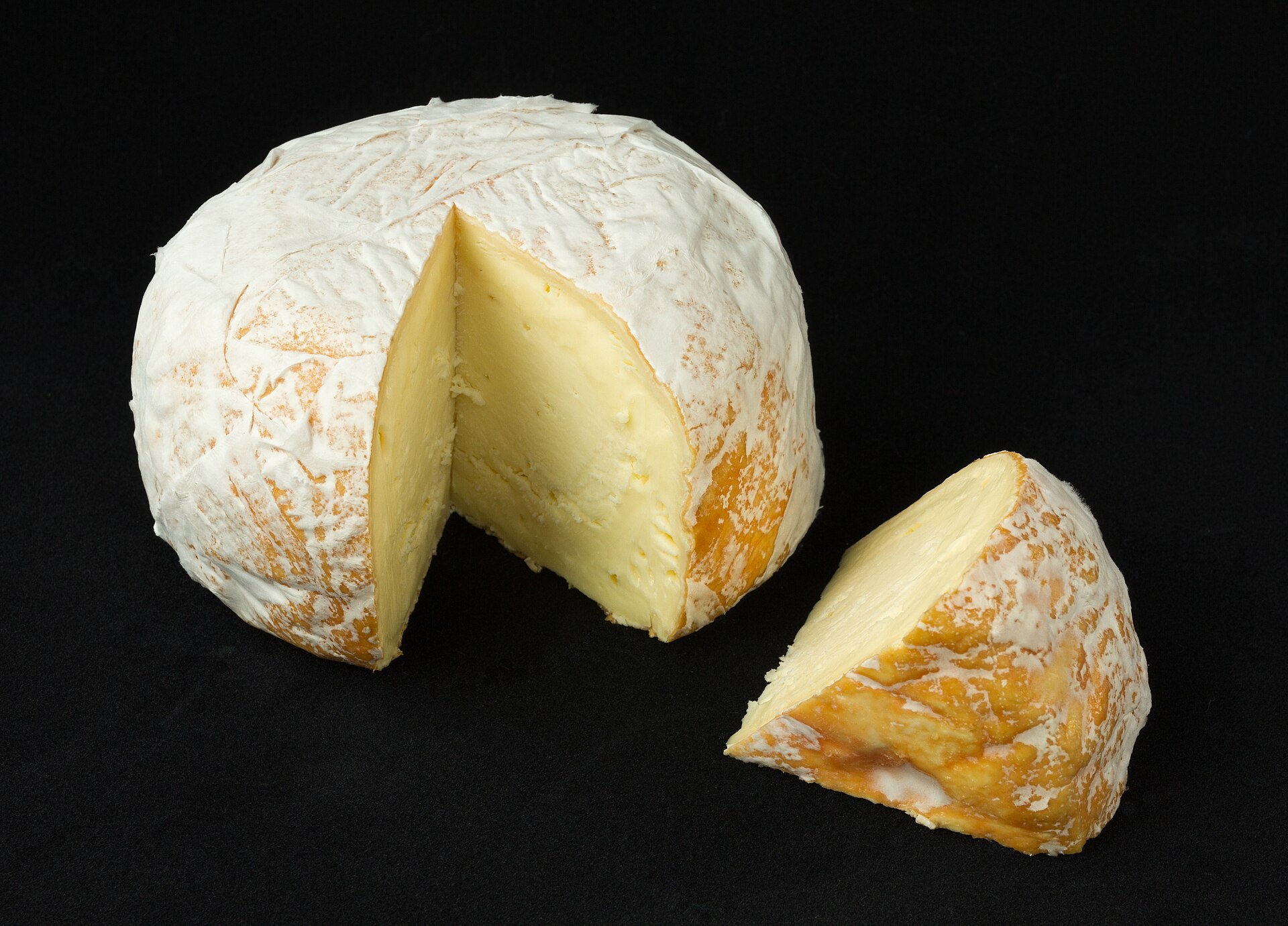
Every quantity guide repeats the same number — 2 ounces of cheese per person — and then abandons you. Two ounces total, or per cheese? Before dinner, or instead of it? What about the crackers, the meat, the fig jam nobody touches? Here's the full accounting, built from catering math and a year of watching which parts of boards actually disappear.
The baseline table
| Party type | Cheese | Cured meat | Bread/crackers | Produce + extras | Total per guest |
|---|---|---|---|---|---|
| Appetizer (dinner follows) | 0.7 oz | 0.6 oz | 0.4 oz | 0.3 oz | 2 oz |
| Long grazing party (3-4 hrs) | 1.0 oz | 0.9 oz | 0.6 oz | 0.5 oz | 3 oz |
| Board as the meal (lunch) | 1.4 oz | 1.6 oz | 0.7 oz | 0.3 oz | 4 oz |
| Dessert board (after dinner) | 0.5 oz | — | 0.3 oz | 0.4 oz (fruit-forward) | 1.2 oz |
Add roughly half an ounce of cheese per guest per extra hour beyond two hours for any format. Twelve guests at a grazing party means 36 ounces total — 2¼ pounds across the whole board, not per cheese. That single clarification fixes most overbuying.
Splitting it across cheeses
Within the cheese budget, weight by texture, not by price: 35% firm, 30% soft-ripened, 20% hard/crumbly, 15% blue or fresh. Soft-ripened cheeses (brie) disappear fastest at room temperature — the "only bought one brie" host regrets it by hour two. Hard cheeses eat slowest because they demand knife work; buy them in smaller portions and pre-crumble part of the wedge.
The disappearance order I've logged across parties: 1) baked or runny anything, 2) brie/camembert, 3) salami folds, 4) aged cheddar, 5) blue cheese, 6) the crumbly hard cheese, 7) crackers nobody recognized. Buy your anchors to survive the full window and put the delicate stuff out first, refills behind the fridge door.
Run the split once to see how it behaves: a 20-ounce cheese budget — a ten-guest grazing board — becomes 7 oz firm, 6 oz soft-ripened, 4 oz hard or crumbly, and 3 oz blue or fresh. Buy the soft wheel at the top of its range rather than dividing it perfectly; it is the row that empties first.
The extras people forget to budget
- Jam/honey: one small jar per 8 guests; beyond that it's fridge clutter.
- Nuts: 0.4 oz per guest — they vanish early and cheaply, so this is the place to be generous.
- Olives/cornichons: 0.3 oz per guest in a reachable bowl; brine cuts the fat between bites.
- Fresh fruit: 0.5 oz per guest if the board is the meal; half that when dessert follows.
- Chocolate (evening parties): 0.2 oz per guest placed near the blue cheese — it's the pairing nobody expects.
Three worked examples (copy the math)
The baseline numbers only click once you run them. Three real party shapes, using the table above:
| Scenario | Cheese | Meat | Bread/crackers | Produce + extras | Total |
|---|---|---|---|---|---|
| Cocktail hour, 12 guests, dinner follows (2 oz/guest) | 8.5 oz | 7 oz | 5 oz | 3.5 oz | 24 oz · 1.5 lb |
| Grazing evening, 20 guests, four hours (4 oz/guest) | 27 oz | 24 oz | 16 oz | 13 oz | 80 oz · 5 lb |
| Board as the meal, 8 guests (4 oz/guest) | 11 oz | 13 oz | 6 oz | 2 oz | 32 oz · 2 lb |
Read the middle row carefully. A four-hour evening pushes the grazing format from 3 to 4 oz per guest — the half-ounce-per-extra-hour rule, twice over — and 20 guests turn that into five pounds of food. This is where hosts go wrong: "just cheese and snacks" for twenty people is a five-pound problem, and the math takes thirty seconds to do properly.
From ounces to the shopping cart
Stores do not sell ounces; they sell wedges, wheels, and boxes. Conversions to shop with:
| Ounces | What that is in the store |
|---|---|
| 4 oz | Quarter-pound wedge — one cheese for a small board |
| 8 oz | Half-pound block, or a typical small brie wheel |
| 16 oz | One pound — a wedge plus a wheel, or two hard blocks |
| 32 oz (2 lb) | A party's whole cheese supply — for example, two 1-lb wedges plus one small wheel |
Put it together for the twelve-guest cocktail hour: one 8-oz anchor wedge covers the cheese; two 4-oz salami packs cover the meat; a box of crackers plus half a baguette cover the bread; grapes and one small jar of jam cover the rest. Metric kitchens: multiply ounces by 28.35 — that cocktail hour is about 240 g of cheese.
The planning numbers your scale will actually see:
| Planning number | Ounces | Grams |
|---|---|---|
| Cheese per guest, appetizer course | 0.7 oz | ~20 g |
| Cheese per guest, board as the meal | 1.4 oz | ~40 g |
| Total food per guest, cocktail hour | 2 oz | ~57 g |
| Total food per guest, board as the meal | 4 oz | ~113 g |
| A 12-guest cocktail hour, all-in | 24 oz | ~680 g |
When the table changes shape
Two adjustments cover most real guest lists. With kids at the table, shift weight from meat to cheese and fruit: assume half portions of charcuterie and double the grape and cracker lines. For vegetarian guests, do not just subtract the meat — put a hard cheese and a hummus or tapenade cup in its place, or those guests end up eating crackers and leaving hungry.
Wine, because the board demands it
Budget half a bottle per person for a 2-3 hour party, a full bottle for a long grazing evening. For mixed boards, sparkling and a light red cover the widest range of cheeses — the reasoning is in the wine & cheese guide, and the wine pairing tool gives bottle-level picks for specific boards.
In bottles: a standard 750 ml bottle pours five five-ounce glasses, so the half-bottle rule works out to roughly one bottle per two guests — six bottles for twelve guests, seven if there is a toast coming.
The waste pattern (and what to do about it)
Across a year of boards, the reliable waste is: rinds and uncut wedges (~20% of cheese), the third-most-interesting cracker (~all of it), and anything placed in a corner that requires reaching across someone. Three fixes: pre-cut everything but display wedges, buy crackers you'd eat yourself, and place the board where it can be circled — a board against a wall eats 30% slower than a board in the middle of the room, and that's a real effect on both satisfaction and leftovers.
Leftover cheese keeps beautifully: hard cheeses wrap in wax paper (never plastic wrap — it suffocates them) for weeks; soft cheeses get a container and three days. The leftover board omelet is the quiet best part of hosting.
Keep reading
- How to build a cheese board — structure and arrangement from the same data.
- Cheese pairing generator — pick cheeses that complement each other.
- Wine & cheese, decoded — the four pairing rules.
- Wine pairing tool — bottle picks for your menu.
Reference notes: USDA cold-food storage charts · UW–Madison Center for Dairy Research.
Laura Chen hosts too much and weighs the leftovers. Written for PairingPlates.